Transform Your Life with Mindful Yoga Practices
- Sara Lemos
- Oct 5, 2025
- 4 min read

Updated: Dec 27, 2025
Yoga is more than just physical exercise. It is a holistic practice that connects the body, mind, and spirit. When combined with mindfulness, yoga becomes a powerful tool for transformation. Mindful yoga techniques help you cultivate awareness, reduce stress, and improve overall well-being. This article explores how you can transform your life by integrating mindful yoga into your daily routine.
Discovering Mindful Yoga Techniques for Everyday Life
Mindful yoga techniques focus on bringing full attention to each movement, breath, and sensation during your practice. Unlike rushing through poses, mindful yoga encourages slowing down and tuning into the present moment. This approach helps you develop a deeper connection with your body and mind.
Here are some practical mindful yoga techniques to try:
Breath Awareness: Pay close attention to your breathing. Notice the inhale and exhale without trying to change it.
Body Scan: Before starting your practice, mentally scan your body from head to toe, observing any tension or discomfort.
Slow Movement: Move deliberately and slowly between poses, feeling each muscle stretch and contract.
Non-Judgmental Attitude: Accept your body’s limitations without criticism. Celebrate small progress.
Focused Attention: Use a single point of focus, such as your breath or a spot on the floor, to anchor your mind.
Incorporating these techniques into your yoga sessions can enhance relaxation and mental clarity. Over time, this mindful approach spills over into daily activities, helping you stay calm and centred.

What is Mindfulness Yoga?
Mindfulness yoga is a practice that combines traditional yoga postures with mindfulness meditation. It encourages practitioners to be fully present during their yoga practice, observing thoughts, feelings, and bodily sensations without judgment.
The core principles of mindfulness yoga include:
Present Moment Awareness: Focusing on the here and now rather than past or future worries.
Acceptance: Embracing whatever arises during practice, whether it is discomfort, distraction, or peace.
Gentle Attention: Observing experiences with kindness and curiosity.
This form of yoga is accessible to all levels because it emphasises awareness over perfection. It can be especially beneficial for those dealing with anxiety, chronic pain, or stress-related conditions.
Practicing mindfulness yoga regularly can lead to:
Improved emotional regulation
Enhanced concentration
Reduced symptoms of depression and anxiety
Greater physical flexibility and strength
By integrating mindfulness into yoga, you create a safe space to explore your inner world and foster self-compassion.

How to Start Your Mindful Yoga Journey
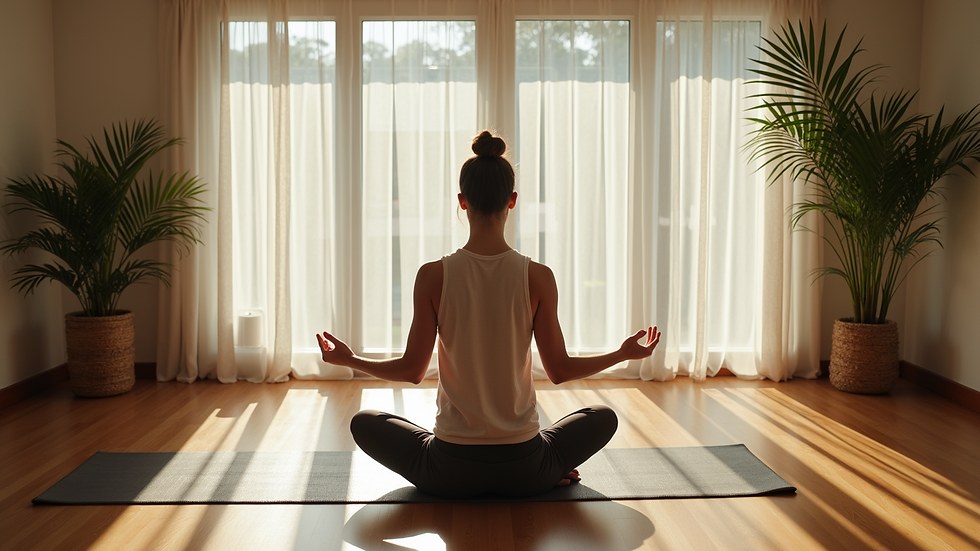
Starting a mindful yoga practice does not require special equipment or a gym membership. You can begin at home with just a yoga mat and a quiet space. Here are some steps to guide you:
Set an Intention: Before you begin, decide what you want to focus on during your practice. It could be relaxation, healing, or simply being present.
Create a Calm Environment: Choose a quiet spot with minimal distractions. Dim the lights or light a candle if it helps you relax.
Begin with Breathwork: Spend a few minutes focusing on your breath. Try deep belly breathing or alternate nostril breathing.
Move Slowly Through Poses: Choose simple poses like Child’s Pose, Cat-Cow, or Downward Dog. Move mindfully, paying attention to how your body feels.
Use Guided Resources: If you’re new to mindful yoga, consider following online classes or apps that focus on yoga mindfulness.
End with Meditation: Finish your session with a short meditation or body scan to deepen your awareness.
Consistency is key. Even 10-15 minutes daily can make a significant difference in your mental and physical health.
Benefits of Mindful Yoga for Mental and Physical Health
Mindful yoga offers a wide range of benefits that extend beyond the yoga mat. Here are some of the most notable advantages:
Stress Reduction: Mindful breathing and movement activate the parasympathetic nervous system, helping to lower cortisol levels.
Improved Sleep: Regular practice can calm the mind and body, making it easier to fall asleep and stay asleep.
Enhanced Focus: Mindfulness trains your brain to stay present, improving concentration and productivity.
Pain Management: Mindful awareness helps you observe pain without emotional reactivity, reducing its intensity.
Emotional Balance: Yoga mindfulness fosters self-compassion and emotional resilience.
Physical Flexibility and Strength: Gentle stretching and strengthening improve mobility and reduce injury risk.
These benefits contribute to a more balanced and fulfilling life. Mindful yoga is a sustainable practice that supports long-term health and happiness.
Tips for Maintaining a Consistent Mindful Yoga Practice
Staying committed to mindful yoga can be challenging, especially with busy schedules. Here are some tips to help you maintain your practice:
Schedule Your Practice: Treat your yoga time as an important appointment.
Start Small: Begin with short sessions and gradually increase duration.
Mix It Up: Try different styles or sequences to keep things interesting.
Join a Community: Practising with others can provide motivation and support.
Keep a Journal: Record your experiences and progress to stay inspired.
Be Patient: Progress may be slow, but every session counts.
Remember, mindful yoga is about quality, not quantity. Even brief moments of mindful movement can transform your day.
Embracing mindful yoga techniques can profoundly change how you experience life. By cultivating awareness, compassion, and presence, you open the door to greater peace and well-being. Whether you are new to yoga or looking to deepen your practice, mindful yoga offers a path to transformation that nurtures both body and mind. Start your journey today and discover the lasting benefits of this gentle yet powerful practice.


Comments