Can’t Sleep? Try this 20 Minute Yin Yoga Practice for Deep Sleep
- Katy Charoensatit
- Mar 23
- 4 min read
This 20-minute gentle yin yoga for bedtime helps calm the nervous system, release physical tension, and prepare the body for sleep. Using slow, supported poses like Sphinx, Child’s Pose, twists, and hip openers, this practice encourages deep relaxation and can be done by beginners. Ideal for stress relief, anxiety, and improving sleep quality, this routine can transition directly into rest through Savasana.
Relax Your Nervous System, Release Tension, and Prepare for Deep Sleep
If your mind feels busy at night…
If your body feels tense or restless…
Or if sleep doesn’t come as easily as you’d like…
This gentle yin yoga for bedtime practice is designed to help you slow down, release the day, and prepare your body for rest.
Unlike faster-paced yoga styles, yin yoga invites you to hold poses for longer periods, allowing your body to soften gradually and your nervous system to shift into a more relaxed state.
This practice is beginner-friendly, calming, and can even transition directly into sleep.
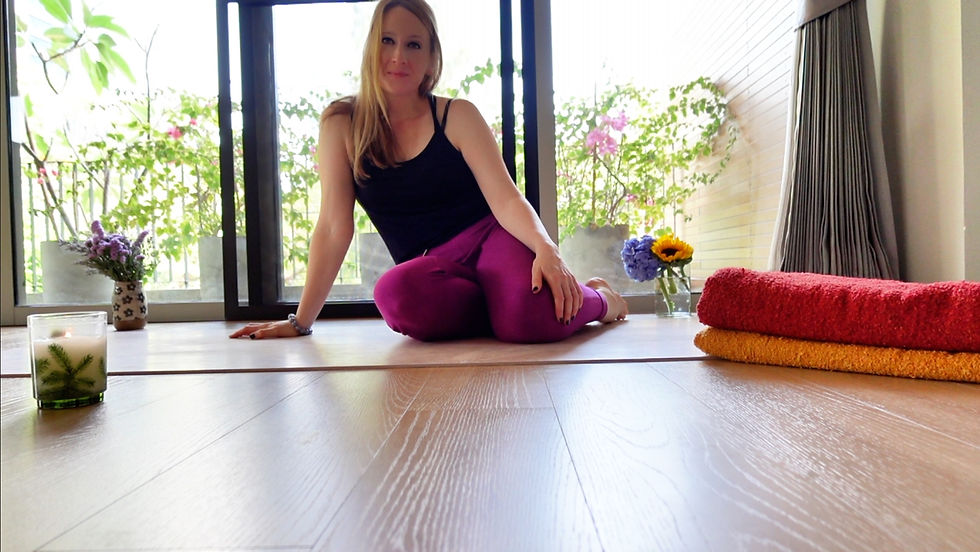
🧘♀️ What Is Yin Yoga and Why Is It Good Before Bed?
Yin yoga is a slow, meditative style of yoga where poses are held for time rather than movement.
Instead of targeting muscles, yin yoga works deeper into the body by gently stimulating:
Connective tissues (fascia, ligaments, joints)
The parasympathetic nervous system (“rest and digest”)
Breath awareness and mental stillness
This makes it especially helpful at night because it can:
✔ Calm a busy or anxious mind
✔ Release physical tension from the day
✔ Support deeper, more restful sleep
✔ Reduce stress and nervous system overload
🌿 Benefits of Bedtime Yin Yoga
Practicing yin yoga before bed may help:
Improve sleep quality
Reduce anxiety and mental overactivity
Ease tight hips, shoulders, and low back
Support emotional regulation
Promote a sense of calm and grounding
Many people find that even 10–20 minutes of gentle yin yoga can make a noticeable difference in how easily they fall asleep.
🛏️ What You Need for This Practice
This is a simple, accessible practice you can do at home.
You’ll need:
A yoga mat or soft surface
1–2 blankets or towels for support
Optional:
Pillow or bolster for added comfort
Props are not a sign of weakness—they help your body relax more deeply, which is the goal of yin yoga.
🌙 20-Minute Bedtime Yin Yoga Sequence
This practice is designed to move slowly and intentionally, allowing your body to settle into stillness.
1. Sphinx Pose (Gentle Low Back Opening)
A soft backbend to gently open the front body and release tension in the lower back.
Modify by walking the hands forward if your low back feels sensitive.
2. Thread the Needle (Shoulder & Upper Back Release)
A calming twist that helps release tension in the shoulders and upper back—areas where many people hold stress.
3. Child’s Pose / Tadpole (Hip Release)
A grounding, restful pose that encourages the body to soften and the breath to slow.
4. Supine Windshield Wipers (Spine Reset)
Gentle side-to-side movement to release the spine and prepare for deeper stillness.
5. Figure Four Stretch (Hips & Glutes)
Targets the outer hips and glutes, helping relieve tension that can contribute to low back discomfort.
6. Half Happy Baby (Deep Hip Opening)
Encourages relaxation through the hips while connecting breath and body awareness.
7. Supported Twist (Nervous System Reset)
A deeply calming posture that supports digestion, relaxation, and nervous system balance.
8. Happy Baby Pose
A gentle, playful release for the hips and low back before transitioning to stillness.
9. Savasana (Final Rest)
The most important part of your practice.
Allow your entire body to relax fully.
👉 At bedtime, you can stay here and drift into sleep.
Why This Practice Helps You Sleep Better
This sequence works because it combines:
Long holds → signal safety to the nervous system
Supported shapes → reduce effort and encourage release
Gentle stretches → relieve physical discomfort
Stillness → quiet the mind
Together, these elements help shift your body out of “fight or flight” and into a restful, sleep-ready state.
💛 Tips for Practicing Yin Yoga at Night
Keep the lights low or dim
Move slowly and avoid rushing between poses
Focus on your breath
Use as many props as needed
Let go of “doing it perfectly”
This is not about performance—it’s about feeling supported.
🌙 When to Do This Practice
This practice works best:
Right before bed
After a long or stressful day
When your mind feels busy
When your body feels tight or restless
Even if you only do part of the sequence, it can still help your body unwind.
🤍 A Gentle Reminder
You don’t need to push or force anything here.
Yin yoga is about allowing—
allowing your body to soften,
your breath to slow,
and your mind to settle.
▶️ Practice With Me
You can follow the full guided class here:
❓ Frequently Asked Questions (FAQ)

Is yin yoga good before bed?
Yes. Yin yoga is one of the best styles of yoga for bedtime because it is slow, calming, and supports nervous system regulation, making it easier to fall asleep.
How long should I do yin yoga at night?
Even 10–20 minutes can be effective. Longer practices may provide deeper relaxation.
Can I fall asleep during Savasana?
Absolutely. This practice is designed to help you relax deeply, and transitioning into sleep is encouraged.
Do I need to be flexible to do yin yoga?
No. Yin yoga is accessible for all levels. Props like blankets and blocks help support your body comfortably.
Is yin yoga safe for beginners?
Yes. This practice is gentle, slow, and beginner-friendly. Always listen to your body and adjust as needed.


Comments