🧘♀️ 20-Minute Yoga Nidra for Deep Rest, Anxiety Relief & Nervous System Reset
- Katy Charoensatit

- Mar 20
- 4 min read
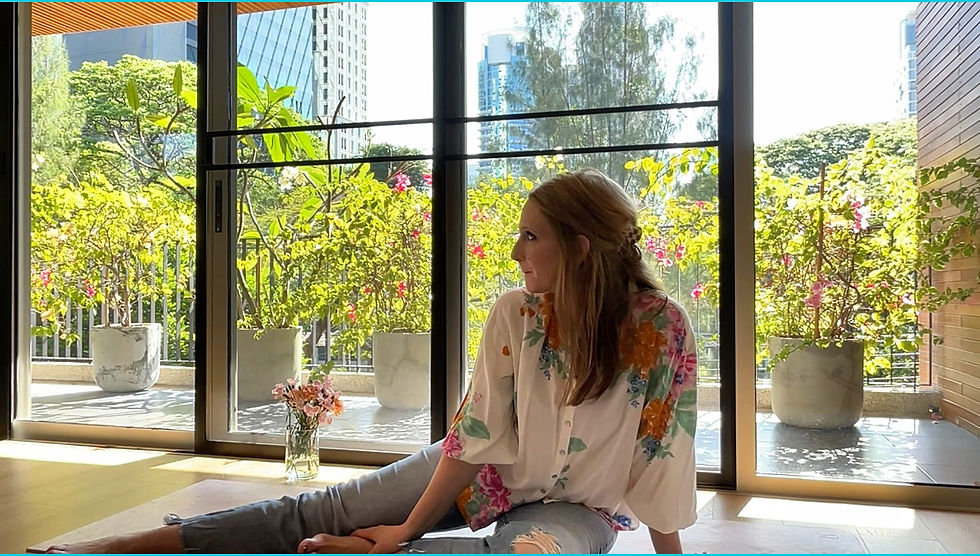
🌿 This 20-minute Yoga Nidra practice is designed to calm the nervous system, reduce anxiety, and support deep rest. Through guided breath awareness, longer exhales, body scanning, and gentle visualization, this practice helps quiet a busy mind, release emotional tension, and improve sleep. Ideal for beginners and anyone experiencing stress, overwhelm, or mental fatigue.
🧘♀️ 20-Minute Yoga Nidra for Deep Rest, Anxiety Relief & Nervous System Reset
If your mind feels loud…
If your body feels tired in a way sleep hasn’t fixed…
If the weight of the day still feels heavy…
This practice is for you 🤍
This gentle Yoga Nidra for anxiety and deep rest is designed to help you slow down, release tension, and reconnect with a sense of safety in your body.
You don’t need experience.
You don’t need to “do it right.”
There is nothing to fix.
There is nothing to solve.
Your only job is to rest.
🌙 What Is Yoga Nidra? (Beginner-Friendly Explanation)
Yoga Nidra, often called yogic sleep, is a guided meditation practice that brings the body into deep relaxation while the mind remains gently aware.
Unlike traditional meditation, Yoga Nidra:
Requires no effort or concentration
Is done lying down in a comfortable position
Helps regulate the nervous system
Supports sleep, stress relief, and emotional balance
This makes it one of the most accessible and powerful tools for:
Anxiety relief
Overthinking
Nervous system reset
Emotional support
Deep rest and recovery
🛏️ How to Set Up for Yoga Nidra (Comfort + Support)
To get the most out of this practice:
Lie down on your back (Savasana)
Bend your knees if your low back feels sensitive
Place a folded blanket under your head or body for support
Allow your palms to turn gently upward
Find a quiet, comfortable space where you can fully relax
The more supported your body feels, the easier it is for your nervous system to soften.
🌿 Step-by-Step Breakdown of This Yoga Nidra Practice
1. Arriving & Letting Go
You are gently guided into stillness with a powerful reminder:
There is nothing to fix.
Nothing to improve.
Nothing to solve.
This immediately begins to reduce mental tension and emotional pressure.
2. Breath Awareness (Natural Observation)
You bring awareness to your breath without changing it.
This helps:
Anchor your attention
Calm mental chatter
Create a sense of presence
3. Nervous System Reset Through Breath
You are guided to:
👉 Inhale for 4
👉 Exhale for 6
Longer exhales signal safety to your nervous system, helping shift the body out of stress mode and into relaxation.
4. Sankalpa (Gentle Intention Setting)
You are invited to repeat quiet, supportive phrases such as:
I am allowed to rest
I am safe in this moment
I do not have to carry everything right now
These phrases help rewire thought patterns and create emotional softness.
5. Body Scan (Full Physical Relaxation)
Attention moves slowly through the body:
Right side → Left side → Whole body
This technique:
Releases stored tension
Improves body awareness
Deepens relaxation
6. Releasing the Weight of the Day
You visualize placing down a “heavy backpack” of:
Worries
Expectations
Conversations
Unfinished tasks
This creates a powerful mental and emotional release.
7. Visualization (Warm Light Relaxation)
A soft, supportive light moves through the body.
Important message:
👉 This light does not fix anything—it simply supports you.
This reinforces self-acceptance and safety.
8. Emotional Reflection (Hard Days)
You are reminded:
Hard days do not mean you are weak.
They mean you are human.
This is a key emotional connection moment that makes this practice highly impactful.
9. Deep Rest (Integration Phase)
All guidance fades.
No effort.
No control.
Just rest.
This is where the deepest nervous system reset happens.
10. Gentle Return
You slowly reconnect with:
Breath
Movement
Body awareness
Ending in a seated position with a sense of calm and grounding.
💛 Benefits of This Yoga Nidra Practice
This Yoga Nidra for anxiety and sleep can help:
Calm the nervous system
Reduce stress and overwhelm
Improve sleep quality
Decrease overthinking
Support emotional healing
Release physical tension
Increase feelings of safety and relaxation
🌿 When to Practice Yoga Nidra
This practice is especially helpful:
Before bed (for sleep support)
After a stressful day
When feeling overwhelmed or anxious
During emotional burnout
As a daily nervous system reset
⚠️ Contraindications & Considerations
If lying flat is uncomfortable, bend your knees or use props
If you fall asleep, that’s okay—your body may need rest
If you experience trauma sensitivity, move gently and pause if needed
Always listen to your body and adjust as needed
🔗 Continue Your Practice
If this supported you, I invite you to practice the full video here:
What is Yoga Nidra good for?
Yoga Nidra is effective for reducing anxiety, calming the nervous system, improving sleep, and supporting emotional regulation through deep relaxation techniques.
Can beginners do Yoga Nidra?
Yes. Yoga Nidra is one of the most beginner-friendly yoga practices because it requires no movement and is fully guided.
Does Yoga Nidra help with anxiety?
Yes. Yoga Nidra helps activate the parasympathetic nervous system, reducing stress and anxiety while promoting calm and safety in the body.
Is it okay to fall asleep during Yoga Nidra?
Yes. Falling asleep is common and can indicate that your body needs rest. Over time, you may remain more aware during the practice.
How often should I practice Yoga Nidra?
You can practice daily or several times per week, especially during periods of stress, poor sleep, or emotional overwhelm.
Here are some additional practices to try:


Comments